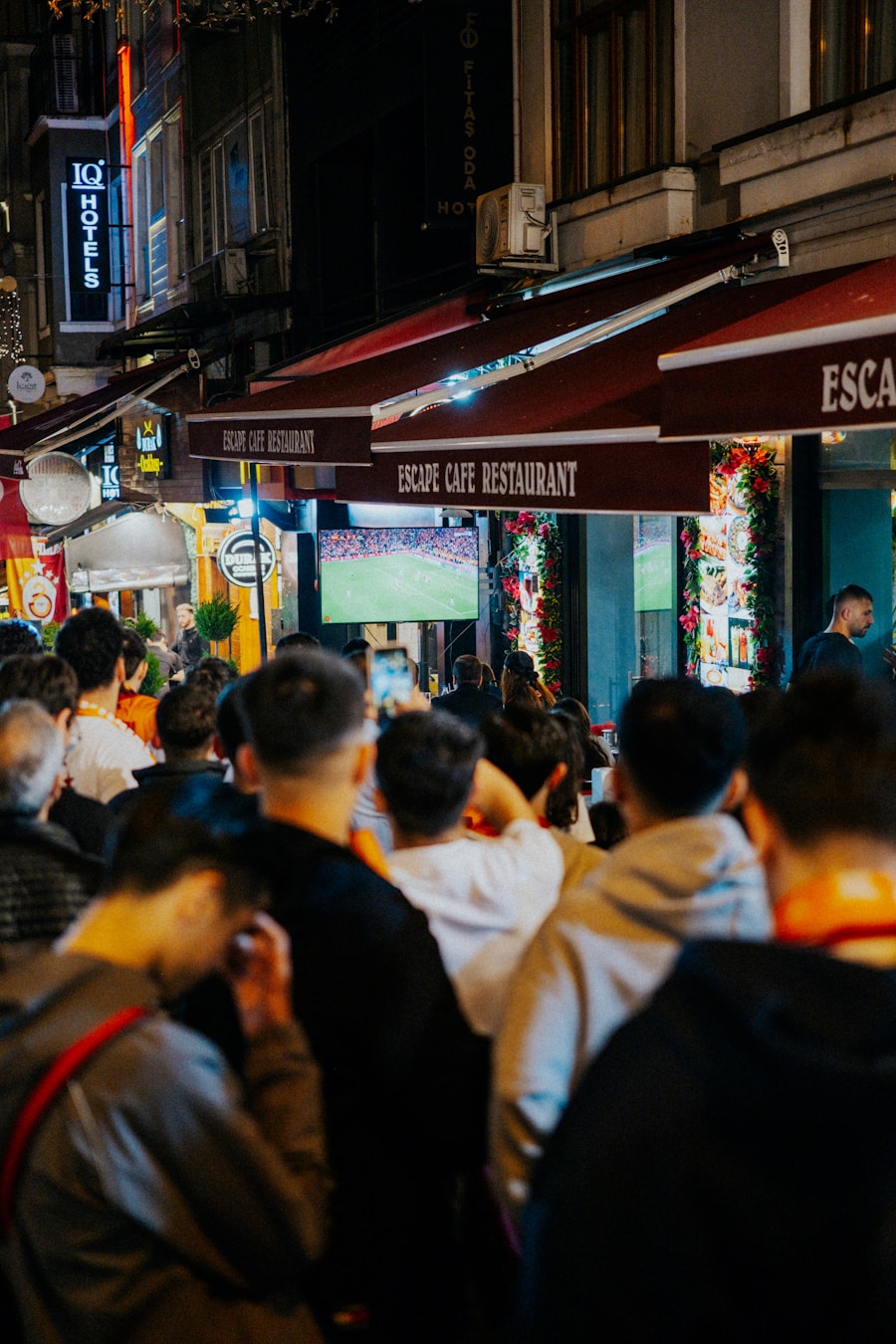
Every four years the world stops pretending it has other things to do, and this summer it stopped in our backyard. The tournament is here, in North America, with matches a short drive down the road. But here is the thing about the World Cup: the stadium is almost beside the point. The tournament really happens in bars and living rooms and taquerias with a television propped over the register, and for one month, everyone in them is on a first-name basis.
Why the World Cup feels different
Pasadena knows this feeling in its bones. The Rose Bowl hosted the 1994 men's final, Brazil and Italy scoreless through extra time and settled on penalties, and five years later the 1999 Women's World Cup final, the one everyone remembers by a single kick. People who were there still talk about the drive home, the honking, the flags out of sunroofs on Colorado Boulevard. A tournament is a census of a town's heart, and ours counted beautifully.
What makes the World Cup unlike any other sporting event is who shows up. Not just the regulars. The abuela who has opinions about Argentina's midfield. The kid in an oversized jersey standing on a barstool. The couple who wandered in for lunch and stayed three hours because a stranger explained the offside rule with salt shakers. For one month, rooting interests turn a room of strangers into something that behaves suspiciously like a neighborhood.
The five best places to watch in Pasadena
1. Lucky Baldwins Pub. The institution. Tucked into an Old Pasadena alley, this British pub has been the city's soccer living room for decades, and it treats a big match the way other places treat New Year's Eve. For marquee games it opens early, the scarves come out, and the roar when a goal goes in bounces off a hundred years of brick. If you watch one match in public this summer, watch it here.
2. The 35er. One of the oldest bars in Pasadena and proudly unfussy about it. Come for the no-nonsense pours and the crowd that actually watches the game instead of their phones. This is where you go for a Tuesday morning group-stage match when you want honest company and zero scene.
3. King's Row Gastropub. The craft-beer answer. A deep tap list, long communal tables built for strangers becoming friends, and a kitchen that takes halftime seriously. Bring a group; the tables reward numbers.
4. Barney's Beanery. Screens everywhere, a menu the length of a novella, and room for the whole crew including the friend who is only here for the fries. When you need to seat ten people with four different rooting interests, this is the move.
5. Der Wolfskopf. The German-style beer hall with steins, communal benches, and the right atmosphere for European mornings. When Germany plays, it is the closest thing to Munich this side of the 210.
What a tournament teaches you about a town
I think about community for a living, so forgive me for noticing: the World Cup is the best open house a neighborhood ever throws. You learn which corners of town gather, which bartenders remember names, which streets fill with flags. The same instinct that makes a bar full of strangers feel like family is the thing I look for when I walk a block with a buyer. Does this place gather? Does it celebrate together? Pasadena, every four years, answers loudly.
So pick a spot from the list, wear the colors of somewhere you love, and let a stranger buy the next round when your team scores. The final whistle will come soon enough. The neighbors you meet stay long after the trophy is lifted, and that, more than anything on the screen, is the point.
Thalia