Families do not outgrow houses the way children outgrow shoes, all at once and obviously. It happens slowly, in the hallway where the backpacks pile, at the dining table that became an office and never changed back. As both a mom and an agent, I spend a lot of time thinking about which houses bend gracefully around a growing family and which ones quietly refuse. The difference is rarely square footage.
Retire the forever home
The forever home is a lovely idea and a poor shopping instruction. Buyers chasing forever routinely overpay for bedrooms they will not need for a decade, in school districts that matter for exactly nine years, while underweighting the commute they will drive every single day. My advice is to buy the next seven years. Seven years is long enough to justify transaction costs and short enough to actually predict. You are allowed to move again. Most people do, and the ones who planned for it move up instead of scrambling.
Count the flexible rooms
When I walk a house for a young family, I am not counting bedrooms. I am counting rooms that can change their minds. The office that becomes a nursery that becomes a homework room that becomes a guest room is one room doing four tours of duty. Look for doors where builders put openings, for a dining room that could hold a desk wall, for any space the listing calls bonus. Vague names mean flexible futures. A house with two changeable rooms will outlast a bigger house with none.
Storage is infrastructure
No one writes poetry about mudrooms, but I have watched a well-placed one save a family's weekday mornings, and I mean that without exaggeration. Strollers, cleats, backpacks, the returning tide of stuff that comes home with children every day, all of it needs somewhere to land that is not the kitchen counter. When you tour, open every closet and stand in the garage for a full minute. A house that cannot absorb your equipment will make you feel disorganized for years, and you will blame yourselves instead of the floor plan.
The corners are the point
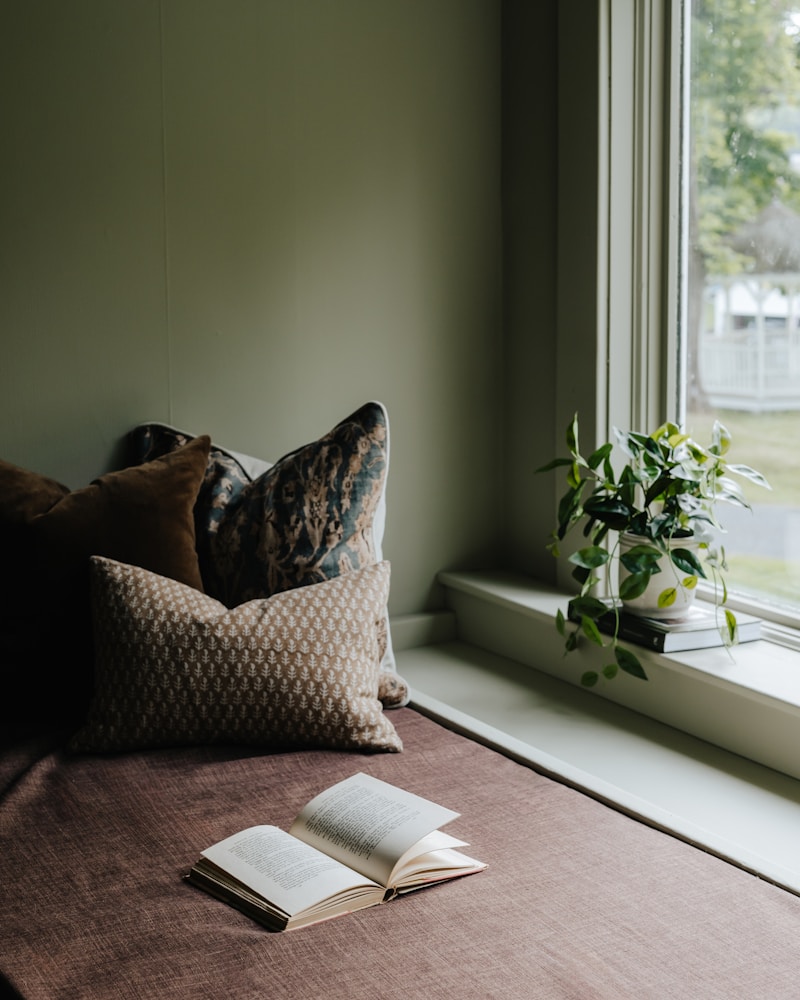
Here is the thing the spreadsheet will never capture. Ask an adult what they remember about their childhood home and no one says the square footage. They say the window seat. The landing where the light came in. The step where the dog waited. Children live in the corners of a house, and a modest home with good corners will hold a family's memory better than a great room ever could. Houses do not need to grow with your family. They need to flex, and the ones that flex are hiding in plain sight, one changeable room and one good corner at a time.
Thalia